The scammer may be on the other side of the world. The damage lands at your door.
Online fraud has become a cross-border industry. And behind some scam centres is a human trafficking crisis.
AbuseOne Investigations
2 min read
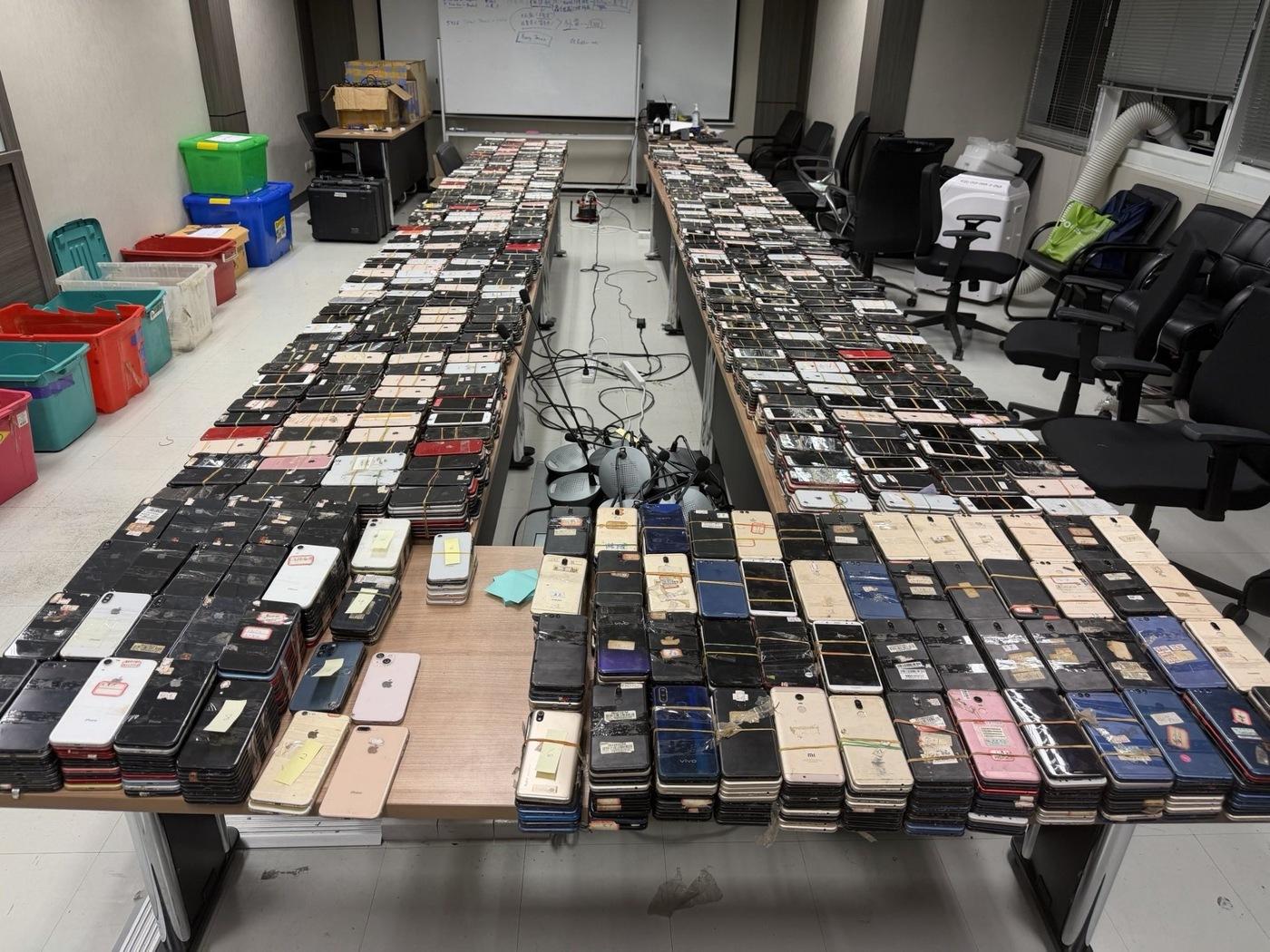
A message on your phone. A convincing investment website. An account pretending to be someone you trust. For a victim, a scam often starts with something small and personal. The criminal operation behind it may be organised across borders.
On 13 November, the Associated Press reported that Southeast Asian leaders and their partners, including the United States and China, were expected to raise concerns about online scams at the East Asia Summit. A draft statement pointed to scam centres, human trafficking and other crimes linked to transnational criminal networks. At the time of the report, the statement had not yet been finalised.
A multibillion-dollar industry with real victims
The United Nations Office on Drugs and Crime (UNODC) estimated that scam losses across East Asia, Southeast Asia, Australia and New Zealand reached between US$88.3 billion and US$114.1 billion in 2025. This estimate covers those regions, not the entire world.
The harm is not only financial. People are lured to scam centres with fake job offers and sometimes forced to defraud others online. The AP report described workers at scam centres in places including the Philippines and Cambodia facing threats and abuse. Some people carrying out the fraud are victims of exploitation themselves.
The signals are scattered
Scams do not stop at national borders or on a single platform. A website may be registered in one country, contact may happen through social media, and money may move through several financial services. Each signal can look unremarkable on its own. Together, they may reveal a pattern.
That is why cooperation matters: between authorities, digital platforms and financial institutions, and in the careful collection and review of reports. The proposed summit statement called, among other things, for sharing threat information and improving coordination between countries.
Turning reports into useful information
AbuseOne enables people to report online fraud and abuse. A clear report with verifiable information can help make connections between suspicious websites, accounts and tactics easier to identify.
No single report solves the problem on its own. But without signals and evidence, patterns are easier to miss.
Sources and attribution
- Associated Press · Southeast Asian leaders and partners expected to raise concerns about online scams at the East Asia Summit(opens in a new tab)
- Reuters · Crime gangs snare more than $88 billion in scams in Asia-Pacific, UN says(opens in a new tab)
- Online scams
- Scam centres
- Human trafficking
- Transnational crime
- Reporting