From Investigating Fraud to the Oval Office: Why Independent Investigators Are Gaining Recognition
A new US fraud whistleblower incentive programme puts independent investigators in the spotlight. What it means for fraud reporting, evidence verification and businesses fighting online scams.
AbuseOne Editorial Team
5 min read
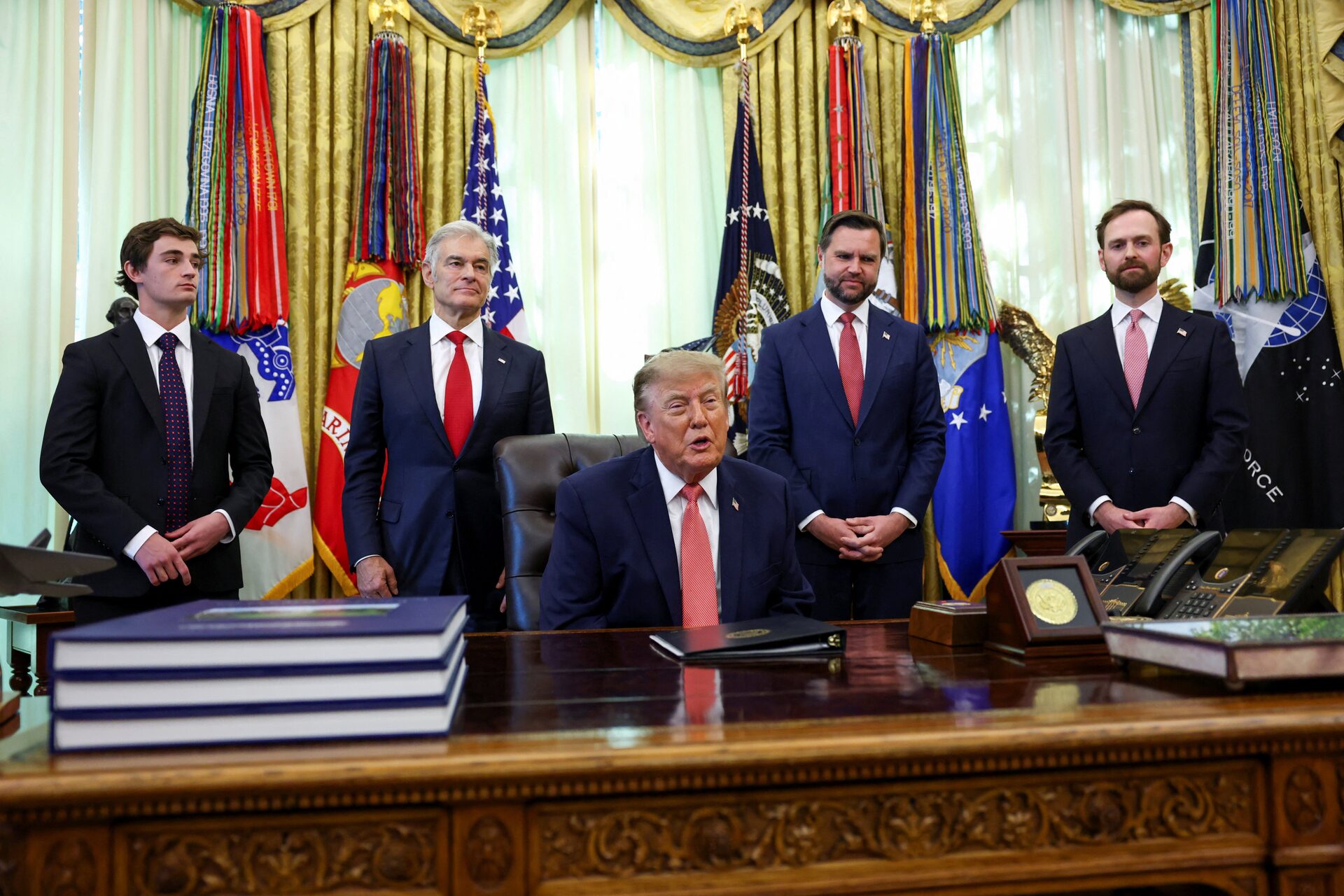
Independent journalist Nick Shirley went from investigating alleged taxpayer fraud to standing alongside President Donald Trump and Vice President JD Vance in the Oval Office. His appearance on 20 October 2026 coincided with the announcement of a new US initiative designed to reward individuals whose information helps expose fraud.
The announcement puts a growing question in the spotlight: what happens when people who uncover suspected fraud are given a direct financial incentive to come forward?
For businesses, investigators and organisations dealing with fraud, the development highlights the value of credible reporting, independently gathered evidence and the people who know how to identify suspicious activity.
A New Incentive to Report Fraud
During the White House announcement, the administration introduced the Fraud Whistleblower Incentive Program, backed by an initial $25 million fund.
The programme is intended to reward people who provide information that leads to fraud convictions or significant federal enforcement action. The US Department of Justice is expected to administer the initiative.
Trump described a potential reward based on 1% of the fraud uncovered. However, the administration's published programme terms describe awards of up to $30,000, creating a distinction between the president's remarks and the stated programme framework. The final application of these rules is therefore important. Reuters (opens in a new tab)
The underlying principle is straightforward: people who help uncover wrongdoing may have information that institutions would otherwise struggle to obtain. Financial incentives are one way governments can encourage individuals to report what they know.
Yet a reward system is only as reliable as the process behind it. Clear eligibility requirements, evidence verification and safeguards against false accusations are essential to maintaining public trust.
The Nick Shirley Case
Shirley's investigative work attracted widespread attention after he published a video in December 2025 alleging fraud involving childcare centres in Minnesota.
The video prompted public debate and scrutiny from authorities. However, the allegations made about individual centres were not all independently established, and Minnesota officials challenged aspects of the reporting. Separately, a woman associated with a childcare centre featured in the controversy later pleaded guilty to fraud-related charges. These developments underline the importance of distinguishing allegations from findings established through official investigations and legal proceedings. CBS News (opens in a new tab)
On 20 October 2026, Shirley appeared in the Oval Office as the administration announced the incentive programme and presented him with a reported $10,000 award.
His appearance illustrates how independent investigations can bring an issue to national attention. It also raises important questions about how investigative contributions are assessed, how rewards are allocated and how authorities distinguish credible evidence from unverified claims.
Visibility can bring attention to a potential problem. Verification determines what that attention ultimately establishes.
Why Independent Investigations Matter
Fraud rarely presents itself in a single, obvious form. It may involve false identities, fabricated business activity, suspicious financial claims, impersonation, deceptive websites or coordinated networks operating across multiple platforms.
Investigators often need to connect information from different sources before a pattern becomes clear. Public records, company information, digital footprints, archived webpages and other open-source material can provide valuable leads when analysed carefully.
This is where open-source intelligence, commonly known as OSINT, can contribute to fraud investigations.
A disciplined investigator does more than identify something suspicious. They document what they find, assess the reliability of their sources, establish relevant connections and distinguish verifiable facts from assumptions.
That distinction matters. An unusual transaction, an inaccessible business location or a suspicious online profile may justify further investigation, but none automatically proves fraud.
Effective investigations rely on evidence, context and appropriate verification.
From Individual Tips to Actionable Fraud Intelligence
The proposed US reward initiative focuses on encouraging individuals to report information about suspected fraud. But receiving a tip is only one part of the investigative process.
Organisations also need ways to assess reports, identify patterns, prioritise cases and turn fragmented information into actionable intelligence.
For businesses, this can mean identifying fraudulent websites using their brand, impersonation accounts targeting customers, deceptive advertisements, scam operations or other forms of online abuse.
A single report may reveal an isolated incident. Multiple well-documented reports can sometimes help establish a broader pattern, particularly when information is analysed systematically.
This creates an important distinction between simply collecting reports and building a reliable fraud-intelligence capability.
The objective is not to generate the highest number of allegations. It is to produce information that helps the relevant organisation understand a potential threat and determine what action is justified.
The Importance of Responsible Reporting
Financial incentives can encourage participation, but they also create risks if the system is poorly designed.
A credible investigative framework should establish clear standards for evidence, protect sensitive information and provide a fair process for assessing competing claims. It should also discourage fabricated reports, harassment and attempts to use allegations for personal or commercial disputes.
Investigators must operate within applicable laws and respect privacy requirements. Findings should be communicated responsibly, particularly when they concern identifiable individuals or businesses.
Most importantly, suspected wrongdoing should not be presented as proven misconduct before the evidence supports that conclusion.
These safeguards are not obstacles to effective investigations. They are part of what makes investigative work credible and useful.
What This Means for the Future of Fraud Intelligence
The White House announcement places independent investigators and public reporting within a wider discussion about how fraud is identified and addressed.
The longer-term significance extends beyond a single reward programme. It highlights the relationship between investigative talent, reliable information and the institutions responsible for taking action.
Governments need credible information to investigate the misuse of public funds. Businesses need intelligence to identify scams and protect their customers. Independent researchers need appropriate channels through which their findings can reach organisations capable of responding.
Bringing these elements together requires more than incentives. It requires a structured approach to research, evidence, verification and collaboration.
As fraud becomes increasingly digital and interconnected, the ability to identify suspicious activity early and communicate findings effectively will remain an important part of the response.
How AbuseOne Fits Into This Landscape
AbuseOne is focused on connecting businesses with independent researchers to investigate online fraud, digital scams and online abuse.
Through its researcher network and fraud-intelligence approach, AbuseOne aims to help organisations identify suspicious activity, obtain documented findings and make better-informed decisions about potential threats.
The principle is simple: useful intelligence begins with good research, but its value depends on the quality of the evidence and the action it enables.
The discussion surrounding independent fraud investigators reinforces the importance of creating credible ways for organisations and researchers to work together.
The future of fraud investigation will depend not only on who uncovers suspicious activity, but also on how reliably that information is verified, shared and acted upon.
Sources and attribution
- ReutersTrump promises cash for fraud tips as he awards right-wing YouTuber(opens in a new tab)
- CBS NewsNick Shirley and the Minnesota childcare fraud controversy(opens in a new tab)
- Associated PressTrump and Vance announce a fraud whistleblower incentive programme(opens in a new tab)
About AbuseOne
AbuseOne connects businesses with independent researchers focused on online fraud, digital scams, OSINT and online abuse. Its mission is to help organisations turn investigative research into actionable fraud intelligence. Learn more at abuseone.com (opens in a new tab).
- Fraud reporting
- Whistleblowers
- Independent investigators
- OSINT
- Evidence verification
- Fraud intelligence